
The Canidae family, commonly known as the dog family, includes a wide variety of species. These include wolves, foxes, jackals, and domestic dogs. With over 36 species found globally, this family is a key component of many ecosystems.
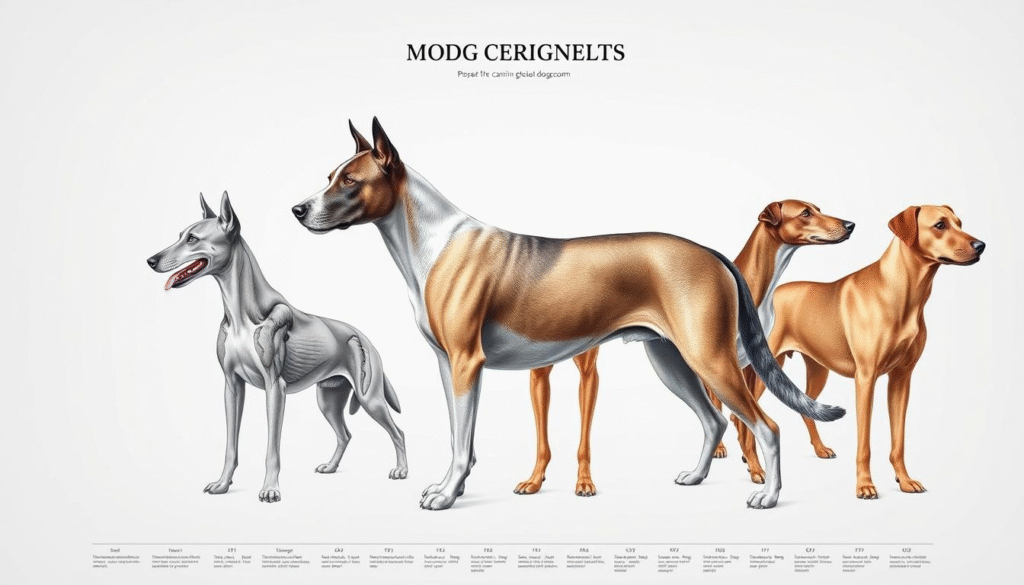
Grasping the canine classification is vital for understanding these animals’ traits and behaviors. The dog family boasts a rich history. Their classification is complex, involving numerous genera and species.
Key Takeaways
- The dog family includes a wide range of species such as wolves, foxes, and domestic dogs.
- Canine classification is essential for understanding their characteristics and behaviors.
- The Canidae family is diverse, with over 36 species worldwide.
- Understanding the dog family’s history and classification offers insights into their evolution.
- The dog family plays a significant role in various ecosystems around the world.
The Canidae Family: An Overview
The Canidae family, which includes dogs, wolves, foxes, and jackals, is a diverse group of carnivorous mammals. This family showcases the incredible variety within the animal kingdom.
With over 340 recognized breeds worldwide, the taxonomy of dogs is complex. This vast diversity stems from centuries of selective breeding. Breeds were developed for various roles, such as hunting, guarding, and herding.
Taxonomy and Classification of Canids
Canids fall under the family Canidae and are split into several genera. These include Canis, Vulpes, and Lycaon. Their classification is based on their physical, genetic, and behavioral traits.
| Genus | Examples of Species | Characteristics |
| Canis | Wolves, dogs, jackals | Omnivorous, highly social, adaptable |
| Vulpes | Red fox, Arctic fox | Primarily carnivorous, solitary, agile |
| Lycaon | African wild dog | Highly social, endangered, cooperative hunters |
Evolutionary History of the Dog Family
The evolutionary journey of canids began in the late Eocene epoch. Fossil records reveal a gradual expansion of species over millennia.
Key Evolutionary Adaptations
Canids have developed critical adaptations. These include specialized dentition for meat consumption and enhanced olfactory capabilities for hunting and tracking.
These adaptations have allowed canids to flourish in diverse environments. They can be found in the Arctic tundra, deserts, and forests.
Complete List of Dog Family Members in the Wild
The Canidae family, commonly referred to as the dog family, encompasses a diverse range of wild species. These wild canids, including wolves, foxes, jackals, and coyotes, exhibit a wide range of characteristics. They are integral to various ecosystems around the world. Their adaptations enable them to thrive in different habitats.
Wolves and Their Subspecies
Wolves are highly social animals that live in packs with complex hierarchies. There are several subspecies of wolves, including the gray wolf, Arctic wolf, and red wolf. Each subspecies is adapted to different geographical and climatic conditions. Gray wolves, for example, are found in a variety of habitats, from forests to tundras. They are known for their highly cooperative hunting behavior.
Foxes: Diverse and Adaptable Canids
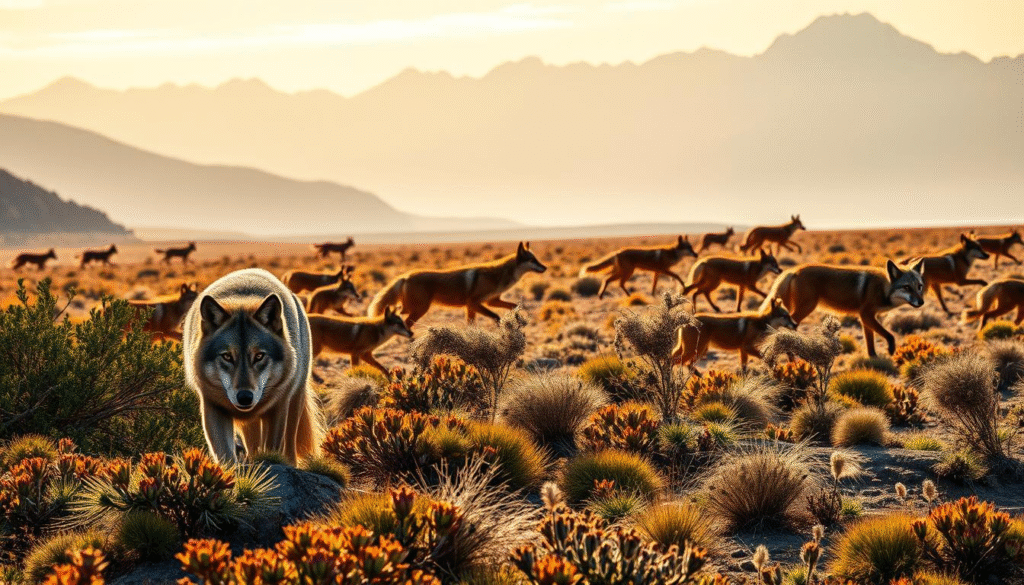
Foxes are another diverse group within the Canidae family. Species such as the red fox, Arctic fox, and fennec fox are known for their adaptability. They can be found in a wide range of habitats, from the Arctic tundra to deserts. The red fox, for instance, is highly adaptable. Its diet varies significantly depending on its location.
Jackals, Coyotes, and Other Wild Canids
Jackals and coyotes are other notable members of the wild Canidae family. Jackals are known for their omnivorous diet and ability to thrive in a variety of habitats. Coyotes are highly adaptable and have expanded their range significantly in recent centuries. Coyotes are now found in many parts of North America. They often live in close proximity to human settlements.
Rare and Endangered Wild Canids
Some wild canids are rare or endangered due to habitat loss, human conflict, and other environmental pressures. The Ethiopian wolf, for example, is one of the rarest canids. It is found only in the highlands of Ethiopia. Conservation efforts are essential to protect these species and their habitats.
| Species | Habitat | Conservation Status |
| Gray Wolf | Forests, Tundras | Least Concern |
| Red Fox | Forests, Grasslands | Least Concern |
| Ethiopian Wolf | Highlands | Endangered |
Domestic Dogs: From Wolves to Companions
The transformation of wolves into domestic dogs is a captivating tale of adaptation and evolution. Domestication is thought to have begun between 15,000 to 30,000 years ago. It is believed that wolves were the primary ancestors of today’s dogs.
The Domestication Process
The journey of wolves becoming dogs is complex, involving changes in behavior, physiology, and morphology. Humans likely sought companionship, hunting, and guarding assistance from these animals.
Selective breeding was key in creating the wide variety of dog breeds we have today. This ranges from the tiny Chihuahua to the massive Great Dane.
Major Dog Breed Groups
Dog breeds are categorized into several groups based on their original purposes. These include sporting breeds, herding breeds, and toy breeds. Understanding these classifications highlights the diversity within the domestic dog population.
- Sporting Breeds: Originally bred for hunting and retrieving, these dogs are known for their energy and agility.
- Herding Breeds: Bred to herd livestock, these dogs are intelligent and have strong herding instincts.
- Toy Breeds: Small in size, these dogs were bred as companions and are known for their affectionate nature.
Rare and Ancient Dog Breeds
Some dog breeds are rare or ancient, retaining much of their original characteristics. These breeds offer a glimpse into the past, showing the early diversity of domestic dogs.
Modern Designer Breeds
In recent years, designer breeds have gained popularity. These are crossbreeds between two purebred dogs from different breed groups. Examples include the Labradoodle and the Cockapoo.
The diversity in domestic dogs stems from centuries of selective breeding for various traits and purposes. This makes them one of the most varied species on Earth.
How to Identify Members of the List of Dog Family
Identifying members of the dog family is both fascinating and rewarding. It allows us to appreciate the diversity within the Canidae family. This process involves observing physical characteristics, behavioral patterns, and habitat. It’s a task that requires a multifaceted approach.
Step1: Recognize Key Physical Features
The first step is to recognize the key physical features of canine species. They come in various sizes, coat types, and colors. For example, the gray wolf has a thick coat and is larger than most domestic dogs. The red fox, on the other hand, is known for its reddish-orange fur and bushy tail.
Observing the size, ear shape, and tail characteristics can provide initial clues. These physical traits are essential for identifying different species.

Step2: Observe Behavioral Patterns
Behavioral patterns are critical in identifying canine species. Each species exhibits unique behaviors, such as hunting habits, social structures, and vocalizations. Wolves, for instance, have complex pack dynamics. Coyotes, on the other hand, are often seen alone or in pairs.
Observing these behaviors can help narrow down the identification. Noting the time of day they are active and their interaction with other animals or humans is also telling.
Step3: Note Habitat and Geographic Location
The habitat and geographic location of a canine species are key to its identification. Different species are adapted to various environments, from the Arctic tundra to deserts and forests. The Arctic fox, for example, is well adapted to cold, snowy environments.
Jackals, on the other hand, are found in a variety of habitats, including deserts and grasslands. Understanding the geographic range and preferred habitat of different canine species is essential for accurate identification.
Tools and Resources for Identification
Several tools and resources can aid in identifying canine species. Field guides, online databases, and wildlife observation apps provide valuable information. They cover physical characteristics, behavior, and habitat.
Utilizing these resources can enhance the accuracy of identification. It also deepens our understanding of the diverse canine species list.
Understanding Canid Behavior and Communication
Canid behavior and communication are complex, involving body language, vocalizations, and social cues. Grasping these aspects is key to understanding their social structures and interactions.
Decoding Body Language
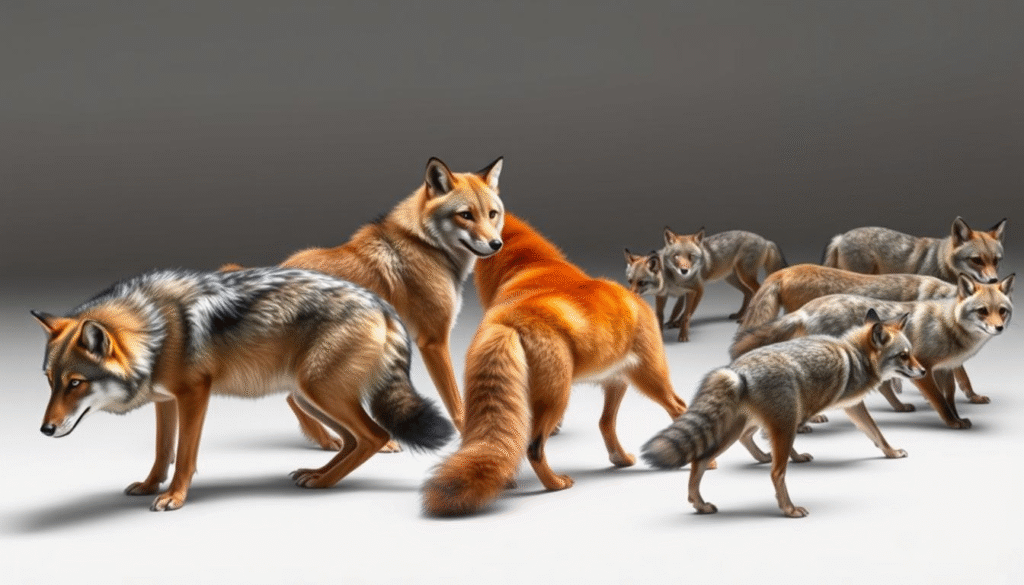
Body language is vital in canid communication. Posture, facial expressions, and tail positions reveal an individual’s emotional state and intentions. For instance, a submissive posture involves lowering the body and tail. On the other hand, a dominant individual displays confidence with a raised tail.
Vocalizations and Their Meanings
Canids communicate through various vocalizations, including barks, howls, and whines. Each vocalization has a specific purpose, like alerting others to threats or expressing emotions like anxiety or excitement.
Social Structures and Pack Dynamics
Many canid species, like wolves and some dog breeds, live in complex social structures. These structures include hierarchies and cooperative behaviors. Understanding these dynamics is essential for appreciating their behavior and communication patterns.
Differences Between Wild and Domestic Canid Behavior
Wild canids, such as wolves and foxes, exhibit behaviors shaped by their natural environments. In contrast, domestic dogs have undergone significant changes through domestication. Domestic dogs have adapted to living alongside humans, leading to different behavioral patterns compared to their wild ancestors.
Recognizing these differences is vital for understanding the diverse behaviors within the canine family. It also promotes harmonious coexistence between humans and canids.
Conservation Challenges and How to Help
Wild canids, a vital part of the dog family, face severe conservation challenges globally. The taxonomy of dogs shows a diverse group of species, including domestic dogs and their wild relatives. These species are essential to their ecosystems.
Identifying Threats to Wild Canids
Understanding threats is the first step in conservation. Wild canids deal with habitat loss, human-wildlife conflict, and disease transmission. Habitat fragmentation isolates populations, making survival and thriving difficult.
Supporting Conservation Organizations
Supporting organizations focused on canid conservation is essential. These groups work on habitat preservation and community engagement. Donations and volunteering are critical for their work.
Promoting Coexistence with Wild Canids
Promoting coexistence requires educating communities about wild canids’ importance. It involves securing livestock and compensating farmers for losses.
Success Stories in Canid Conservation
There have been notable successes in canid conservation. For instance, efforts to protect the gray wolf have led to significant recoveries in some areas. Collaborative efforts between governments, NGOs, and local communities are key to these successes.
| Conservation Effort | Outcome | Location |
| Gray Wolf Protection | Population Recovery | North America |
| Red Fox Habitat Preservation | Stable Population | Europe |
| Community Engagement for Coyote Conservation | Reduced Human-Wildlife Conflict | North America |
By understanding the challenges and taking action, we can significantly impact wild canids’ lives. Every effort, from supporting conservation organizations to promoting coexistence, matters.
Caring for Domestic Members of the Dog Family
Domestic dogs, part of the canine family tree, have diverse needs for health and happiness. The types of dogs span from small breeds to large working dogs, each with unique requirements.
Nutrition and Diet Requirements
A balanced diet is essential for domestic dogs’ health. Nutritional needs vary by age, size, and breed. For example, puppies need more protein and calories than adult dogs. Choosing between commercial dog foods or a homemade diet requires a vet’s advice.
Exercise and Mental Stimulation Needs
Regular exercise is key for dogs’ physical and mental health. Different breeds need different amounts of exercise. For instance, high-energy breeds like Border Collies need more exercise than lower-energy breeds like Bulldogs. Mental stimulation through training and play is also vital to prevent boredom and stress.
Health Care and Common Issues
Regular vet visits are essential for preventing and managing health issues in dogs. Common concerns include obesity, dental problems, and breed-specific conditions like hip dysplasia. Preventative care, including vaccinations and parasite control, is also vital.
Breed-Specific Care Considerations
Different breeds have specific care needs. For example, long-haired breeds need regular grooming to prevent matting. Short-haired breeds may need less grooming. Understanding your dog’s breed-specific needs helps tailor care to their individual needs.
| Breed | Nutrition Needs | Exercise Needs | Grooming Needs |
| Labrador Retriever | High-protein diet | Regular, strenuous exercise | Short coat, minimal grooming |
| Poodle | Balanced diet | Regular exercise, mental stimulation | High-maintenance coat, regular grooming |
| Bulldog | Careful feeding to avoid obesity | Moderate exercise | Short coat, minimal grooming |
Understanding and addressing the unique needs of domestic dogs ensures the best care. This enhances their quality of life.
The Human-Canid Relationship Throughout History
Human-canid relationships have undergone significant changes over time. These changes have been influenced by cultural, social, and economic factors. The dynamic between humans and canids has been shaped by thousands of years of interaction, from domestication to conservation.
Working Relationships with Dogs
Dogs have been integral to human societies, serving various purposes such as hunting, herding, guarding, and providing companionship. Their versatility has made them invaluable as working animals. As stated by “The dog has been man’s working partner, companion, and friend for thousands of years”, highlighting their significant role in human history.
Cultural Significance of Wild Canids
Wild canids, including wolves and foxes, have held significant cultural and symbolic meanings across different societies. In some cultures, they are revered for their strength and cunning, while in others, they are seen as pests. The cultural significance of these animals is deeply rooted in their characteristics and the roles they play in their ecosystems.
“The wolf is neither man’s competitor nor his enemy. He’s a fellow creature with whom the earth is shared.”
Modern Roles of Canids in Society
In modern times, canids continue to play various roles. Domestic dogs are companions, service animals, and therapy dogs, enriching human lives. Wild canids, on the other hand, are the focus of conservation efforts, as their habitats and populations are threatened by human activities.
Future of Human-Canid Interactions
The future of human-canid interactions will be shaped by our ability to coexist with these animals. Conservation efforts, education, and changing societal attitudes towards wildlife will be key. As we move forward, it’s essential to recognize the importance of canids in our ecosystems and the benefits they provide to human societies.
Conclusion
The dog family is incredibly diverse, with various species and breeds that significantly contribute to our world. The Canidae family, including wolves, foxes, jackals, and domestic dogs, plays a vital role in ecosystems and human society.
The list of dog family members is extensive, ranging from the familiar domestic dog breeds to the more elusive wild canids like wolves and foxes. Each of these animals has unique characteristics and needs. This highlights the importance of tailored conservation efforts and responsible pet ownership.
Conservation challenges faced by wild canids, such as habitat loss and human conflict, necessitate a multifaceted approach to protect these species. Supporting conservation organizations and promoting coexistence with wild canids are critical steps in this process.
In conclusion, the dog family is not only a fascinating group of animals but also a vital component of our ecosystems and communities. By understanding and appreciating the diversity within the Canidae family, we can work towards a future where both wild and domestic members of this family thrive.
Continued efforts in conservation and responsible pet ownership are key to ensuring the well-being of the dog family. This group brings companionship, assistance, and ecological balance to our world.
“Dogs are our link to paradise. They don’t know evil or jealousy or discontent. To sit with a dog on a hillside on a glorious afternoon is to be back in Eden, where doing nothing was not boring – it was peace.” – Milan Kundera
Sources
To further your understanding and verify the details in this guide, several sources were consulted. These include:
- World Wildlife Fund
- International Union for Conservation of Nature
- American Kennel Club
- Canid Specialist Group
These organizations offer deep insights into the biology, conservation, and management of canids. They cover both domestic and wild species.
FAQ
What is the Canidae family?
The Canidae family, also known as canids, encompasses dogs, wolves, foxes, jackals, and coyotes. These carnivorous mammals have adapted to diverse environments globally. Their adaptability showcases the family’s resilience and versatility.
What are the different types of wild canids?
Wild canids include wolves, foxes, jackals, coyotes, and other species. They inhabit various habitats, such as forests, grasslands, and deserts. Their adaptability and unique characteristics make them fascinating to study.
How do I identify a member of the dog family?
To identify a member of the dog family, look for a canine body shape, sharp teeth, and a bushy tail. Observe their hunting patterns and social interactions. Also, note their habitat and geographic location.
What is the difference between wild and domestic canid behavior?
Wild canids are more cautious and territorial than domestic canids. They have complex social structures. Domestic canids, bred for various purposes, have adapted to living with humans.
How can I help conserve wild canids?
To conserve wild canids, identify threats like habitat loss and human-wildlife conflict. Support conservation organizations and educate others about coexistence. These actions are vital for their survival.
What are the essential aspects of caring for domestic dogs?
Caring for domestic dogs involves proper nutrition, exercise, and healthcare. Different breeds have unique needs. It’s essential to research and understand your dog’s specific requirements.
What is the history of dog domestication?
Dogs were domesticated from wolves thousands of years ago. Evidence suggests multiple regions around the world were involved. The domestication process involved selective breeding for various traits and purposes.
What are some rare and ancient dog breeds?
Rare and ancient dog breeds include the Saluki, Afghan Hound, and Basenji. These breeds have unique characteristics. They are often considered closely related to the original domesticated dogs.
How do canids communicate?
Canids communicate through body language, vocalizations, and scent marking. These methods convey information about their identity, status, and intentions. It’s a complex form of communication.
What is the significance of canids in human society?
Canids have played important roles in human society, serving as working animals, companions, and cultural symbols. They are valued for their assistance, companionship, and conservation significance.